First Look: Arlen Ness Bagger Mid Control Kit
A bagger’s riding position is part of its personality. Floorboards provide room to move, but some riders want a more concentrated relationship between the seat, bars, and foot controls. The Arlen Ness Bagger Mid Control Kit targets that part of the build, giving Harley-Davidson touring owners another way to shape their motorcycle around the way they want to ride.
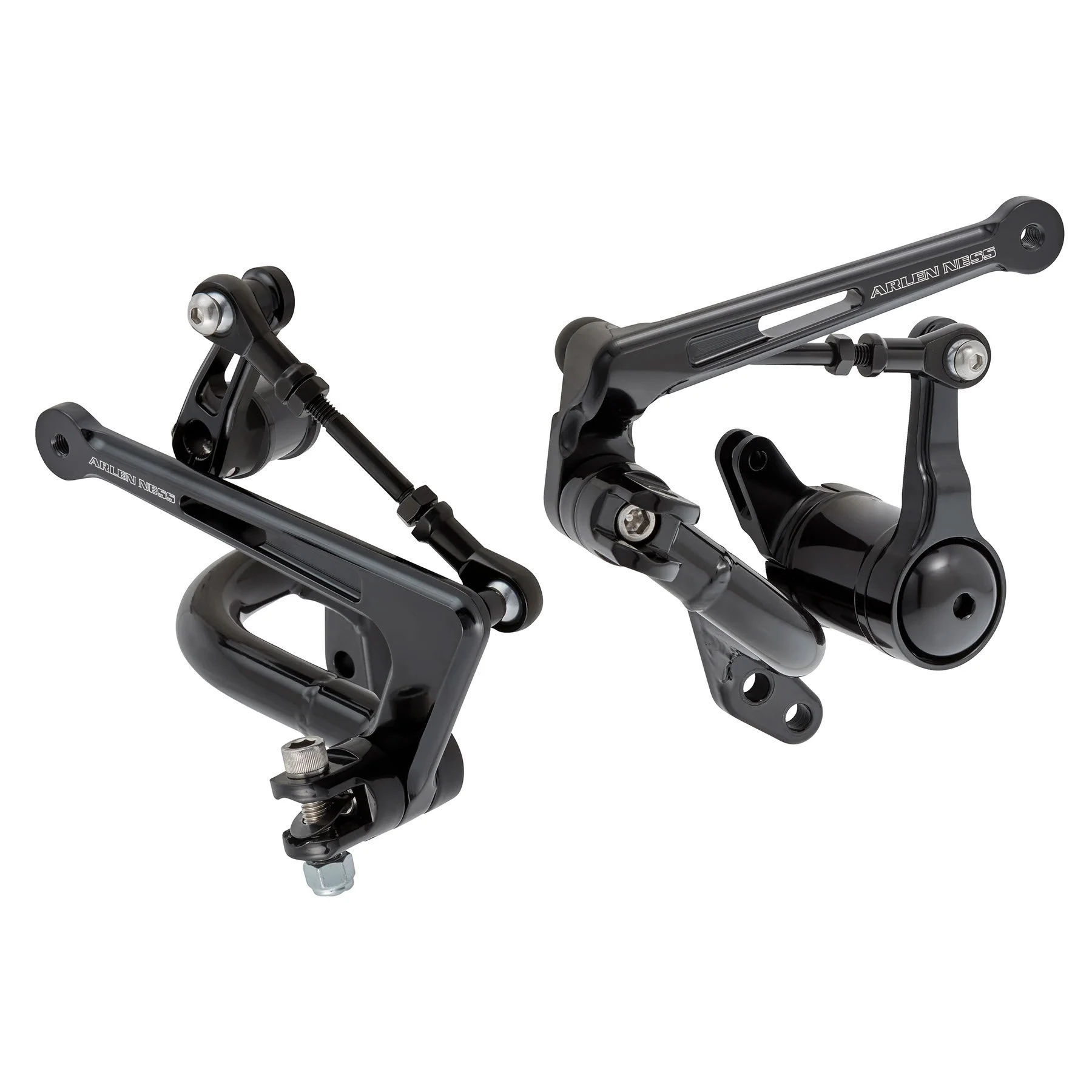
The design uses the motorcycle’s factory floorboard mounting locations on the frame. Arlen Ness says that arrangement transmits less vibration than engine-mounted mid-control kits. CNC-bent steel tubing forms the mounts, while the shift and brake arms are CNC-machined from billet aluminum. The company also cites increased ground clearance and describes the installation as compatible with factory headers and aftermarket exhaust systems.
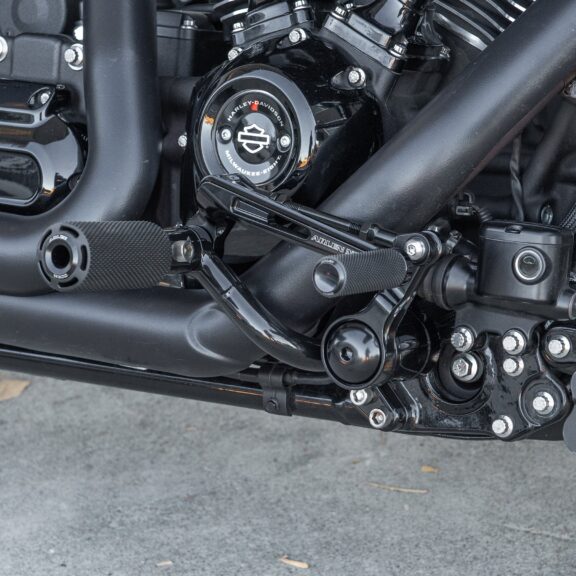
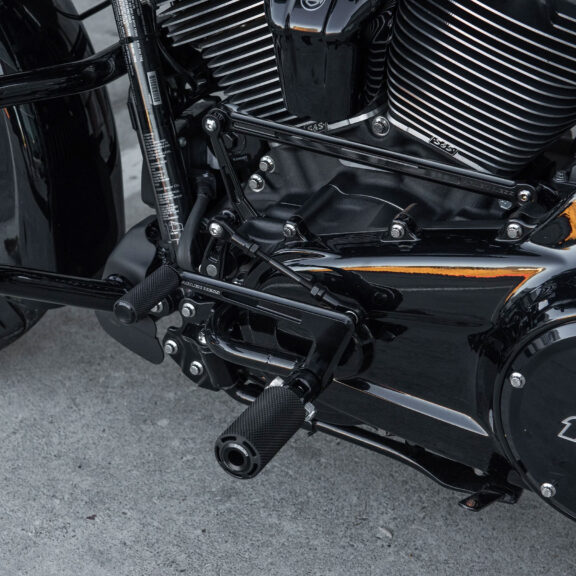
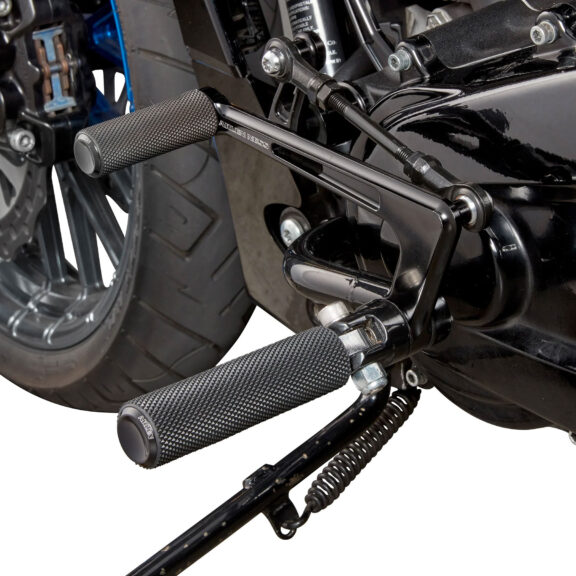
The listed price is $1,099.95, but completing the setup requires additional components. Footpegs, the shift peg, and the brake peg are sold separately. The kit accepts male-mount footpegs and Harley-Davidson Big Twin-style shift/brake pegs, allowing those contact points to be selected independently.
Fitment needs attention before ordering. The detailed chart lists kits for 2000–2007 FLT models, 2014–2023 FLT models with specified 2023 CVO exclusions, and selected 2024–2025 touring models. However, the overview also references 2009–2023 applications. Owners of motorcycles within that conflicting range should confirm the correct kit directly with Arlen Ness.
For the rider, the bigger conversation is ergonomics. Moving away from floorboards changes the available foot-support area and the way a rider settles into the motorcycle. Whether that feels natural depends on inseam, seat height, handlebar placement, and personal preference. A mid-control conversion deserves consideration alongside those other components, particularly on a bike expected to cover substantial mileage.
Choosing the pegs separately adds another decision, but it also creates room to tailor the setup. Peg dimensions, surface texture, and boot clearance deserve as much thought as finish. The parts that look right parked outside a shop still need to work together when the rider is shifting, braking, and repositioning.
This is also a change best evaluated as a complete system. Advertised exhaust compatibility should be checked against the actual pipes installed, and increased control clearance does not establish the motorcycle’s overall cornering limit.
The Arlen Ness kit presents an interesting option for builders reconsidering the lower half of a bagger’s rider triangle. Its frame-mounted layout and separate peg selection give the project a clear starting point. The final measure will be how comfortably and naturally the completed motorcycle fits its rider.