
Spark Plug Gap, Inspection & Maintenance

As a Harley-Davidson owner, you might think you know everything there is to know about spark plugs. However, there are a few critical details that can make a significant difference in your bike’s performance, particularly when it comes to spark plug gap, inspection, and maintenance.
Understanding Spark Plug Gap & Its Role in Engine Performance
One of the most important factors in maintaining a well-running engine is ensuring the correct spark plug gap. For Harley-Davidson Twin Cam engines, the factory-recommended spark plug gap is between 0.038 and 0.042 inches. Maintaining the correct gap is crucial because TwinCams lack traditional knock sensors. Instead, the Engine Control Module (ECM) monitors voltage feedback across the spark plug gap—using 50,000 volts—to determine ignition timing adjustments. This indirect knock-sensing system makes precise gapping even more essential. If the gap is too large or too small, the ECM may misinterpret combustion conditions, leading to erratic performance.
For Milwaukee-Eight (M8) engines, the gap specification is slightly smaller, between 0.031 and 0.035 inches. Unlike the TwinCam, M8 models are equipped with NOx sensors, making them less sensitive to spark plug gap variations.
How to Properly Check & Adjust Your Spark Plug Gap

Checking and adjusting your spark plug gap should be a routine maintenance task. Various tools are available for this job, but it’s important to avoid tools that require forceful bending of the electrode, as they can cause damage. Instead, opt for a gap gauge that allows careful adjustment without compromising the integrity of the plug.

Some performance spark plugs, such as E3 spark plugs, come pre-gapped and feature a bridge design that maintains consistent spacing. These plugs eliminate the risk of gap misalignment and are more resistant to wear and vibration. I use E3 Spark Plugs in everything, but Champion is a commonly used plug too.

Common Issues & How to Identify Them
1. Loose or Threaded Spark Plug Tops

Many aftermarket spark plugs feature threaded tops, which can gradually loosen over time, leading to inconsistent spark delivery and misfires. If you use these plugs, check the top connectors regularly to ensure they remain secure.
2. Broken Porcelain Insulator
A common but often overlooked issue is porcelain breakage inside the spark plug. While the plug may appear intact at first glance, turning it upside down can reveal loose porcelain fragments that disrupt ignition. If you suspect a misfiring cylinder, inspect the porcelain insulator for any cracks or detachment.
3. Reading Spark Plug Color for Engine Diagnostics
The color and condition of your spark plug electrodes can tell you a lot about your engine’s performance:
Tan or light brown: This is the ideal coloration, indicating a properly tuned engine with balanced air and fuel mixture.
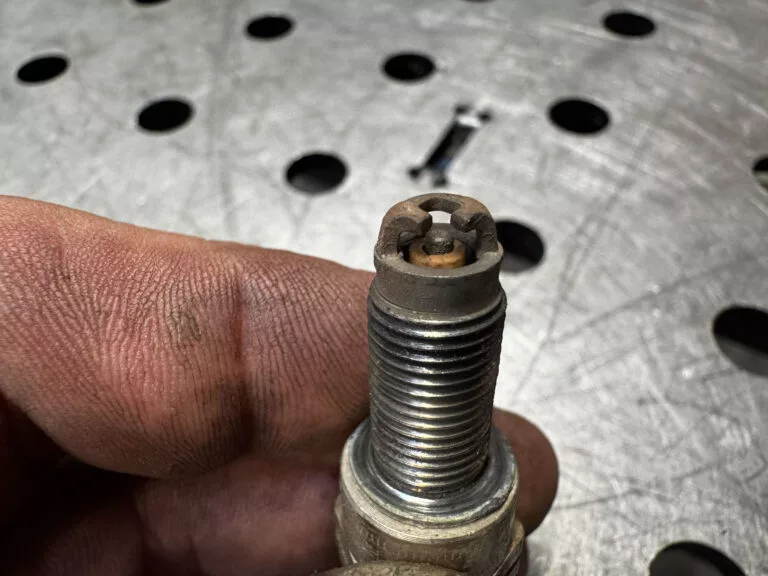
Black and sooty OR black and oily: A rich fuel mixture may be causing excess carbon buildup, reducing efficiency and potentially fouling the plug. Or a Black and Oily plug might indicate burning oil, which may be caused by worn piston rings or valve seals.

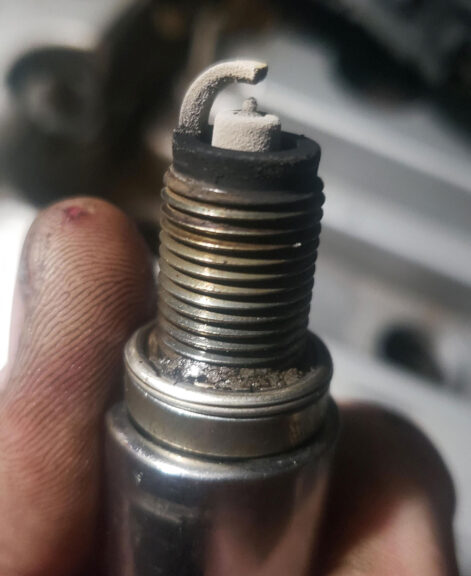
White or chalky deposits: Excessively lean fuel mixtures can cause overheating, leading to potential engine damage over time.
Final Thoughts on Spark Plug Maintenance
Spark plugs play a crucial role in your bike’s overall performance, yet they are often neglected during routine maintenance. By checking and adjusting the gap, inspecting for damage, and reading plug coloration, you can diagnose potential issues before they become costly problems.
Make it a habit to inspect your spark plugs regularly, and replace them as needed to ensure your Harley runs at peak performance. A little attention to detail goes a long way in keeping your ride smooth and reliable!
SOURCE:
MotorWitch Industries
MotorwitchIndustries.com